The Plant Health Section conducts inspection of plants and plant products imported or exported through Keelung Harbor, working at container terminals, passenger terminals, vessels and warehouses, to prevent any harmful plant pests or diseases from being introduced into northern Taiwan.
Major responsibilities
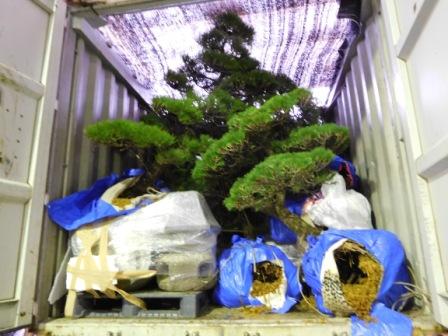
1. Inspection of plants and their products
1.1 Inspection of importing plants and their products
On the average, there are about 36,070 applications for inspection of plants and plant products imported through Keelung Harbor every year. Among these cases, “ Fresh Fruits ” and “ Other Plant Products (including logs, woods, timber, etc.) ” account for 57% and 26% respectively, while “ Rice and other grains ”, “ Fresh Vegetables ”, “Others ”, and “ Cut Flowers & Live Plants ” go in sequence.
1.2 Inspection of exporting plants and their products
On the average, there are about 2,370 applications for inspection of plants and plant products exported through Keelung Harbor every year (). Among these cases, “ Other Plant Products (including coffee beans, tea, wood packaging materials, etc.) ” account for 73% , while “ Rice and other grains ”,“ Cut Flowers & Live Plants ”,“ Fresh Vegetables ”, and “ Fresh Fruits ” go in sequence.
2. Quarantine treatment
2.1 Fumigation facility
The fumigation facility is located at the western wharf No.33 of Keelung Harbor, cover an area of 1,250 square meters consists of and 7 fumigation chambers, The fumigation chamber capacity ranges from 42 to 208 cubic meters and the total capacity reaches 857 cubic meters.
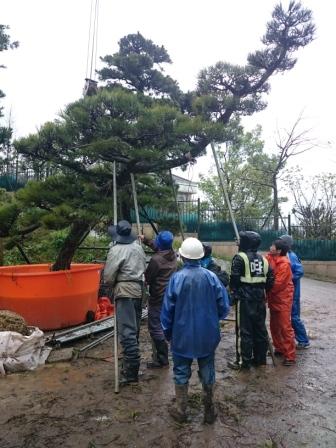
2.2 Quarantine treatment of imported plants and their products
On the average, there are about 347 applications for treatment of imported plants and their products by various methods for different reasons every year .
Among these treatment methods, “Fumigated with methyl bromide” account for 79% , while “ Dipping roots by nematicides ”, “Radiation ”, and “ Heat treatment ” go in sequence
Among the reason of fumigation cases, “ Pests Intercepted (including mites, thrips, aphids, scale insects, etc.) ” account for 83 %, while “ Documental Deficiency ”, “ Others (Wood Packaging Material without stamp, etc.)”, and “ Mixed with consignments infested with pests ” go in sequence.

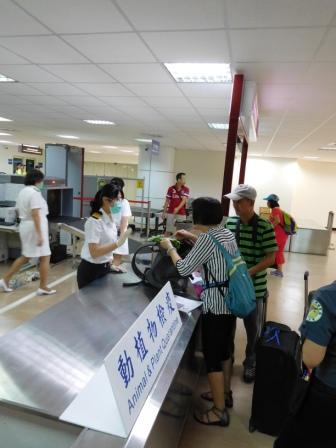
3. Inspection of plants and their products carried by passengers
In order to prevent the quarantine pests from being introduced into Taiwan, the passengers are not allowed to bring any fresh fruits into Taiwan.
4. Implementation of monitoring survey program of quarantine insect pests
For early detection and prompt response, Keelung Branch set several trapping sites located in high-risk areas of northern Taiwan such as Keelung Harbor, container terminals, and fumigation facility for detecting important quarantine pests ( Table 1 ). Currently, the well-trained inspectors of the Plant Quarantine Section are responsible for trap replacement, specimen collection, and preliminary screening or identification. All the survey data are recorded and compiled in the Plant Pest Monitoring System .

